The Reality of Heat Pumps and Backup Electric Heating Strips
Making the switch to high-efficiency heating often comes with a learning curve regarding how the equipment actually operates in the real world. At All Seasons Heat Pumps, we prioritize setting honest expectations so homeowners know exactly what their new system can and cannot do. A common point of confusion surrounds how air-source units perform when outdoor temperatures take a serious dive. Clarifying the role of backup heating elements ensures you are never left shivering in the middle of a cold night.
Modern climate control technology is incredibly robust but it operates quite differently than a traditional forced hot air or hydronic setup. Expecting a single piece of equipment to handle every extreme weather fluctuation without any mechanical assistance often leads to frustration. Proper heat pump installation involves calculating the exact thermal balance point where secondary heat becomes necessary to maintain your indoor comfort. We want to break down exactly how this dual process works during standard winter conditions.
In This Article:
1. Understanding Standalone Air-Source Performance
2. The Truth About Backup Heat Requirements
3. Managing Energy Consumption and Comfort
4. Frequently Asked Questions
Understanding Standalone Air-Source Performance
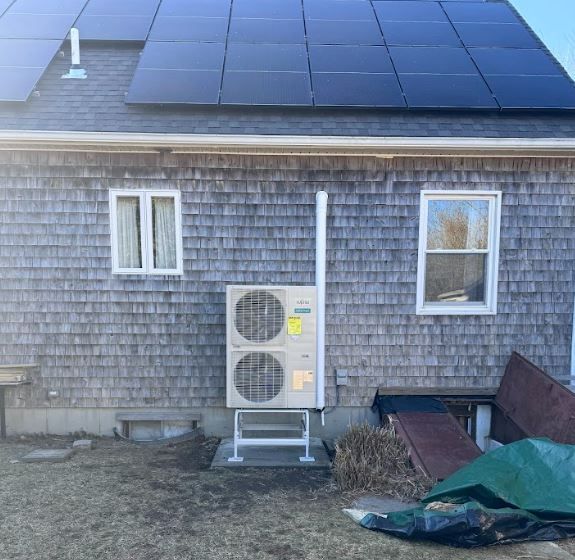
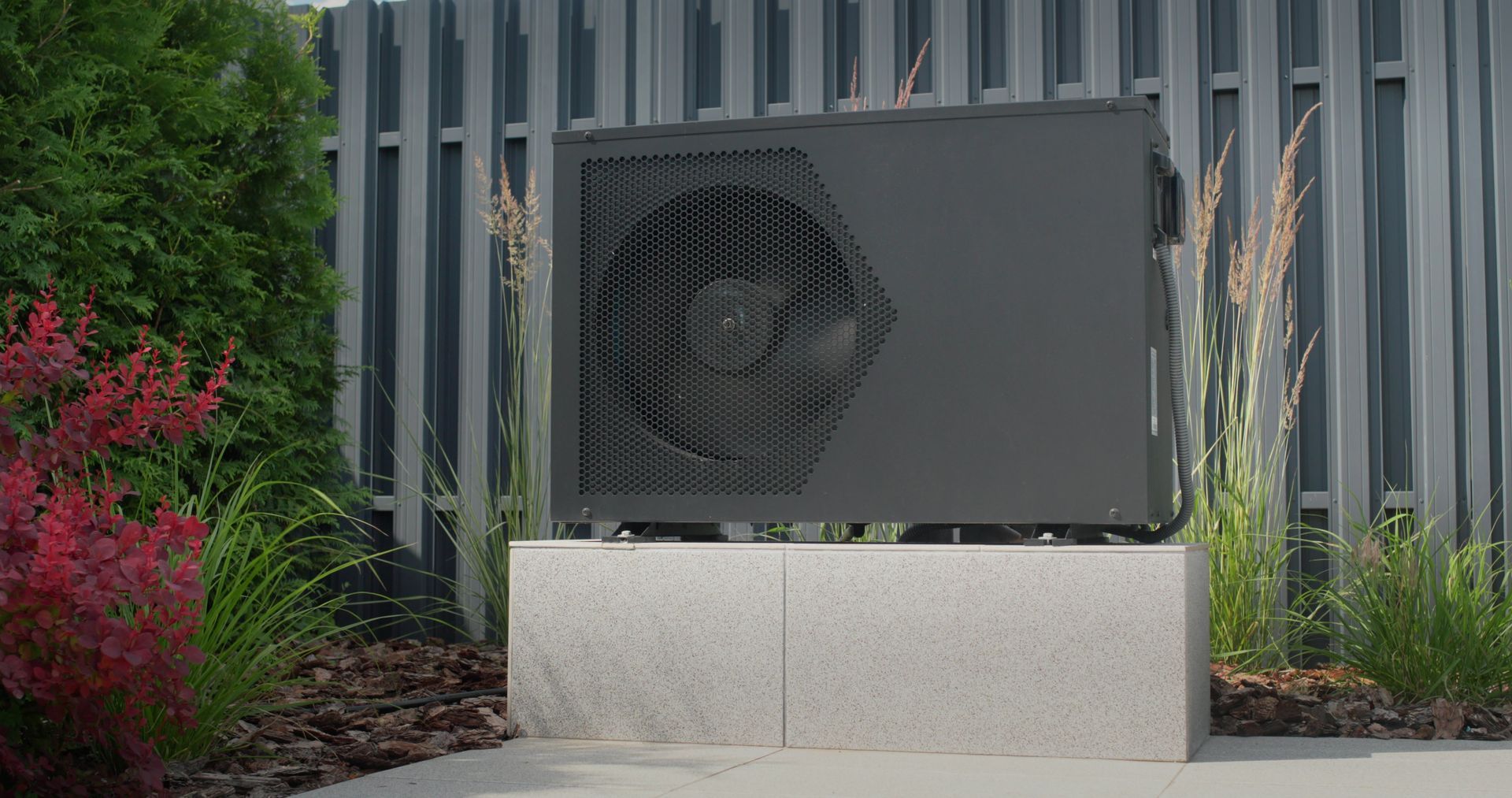
An air-source system works by pulling latent heat from the outside air and compressing it to warm the inside of your home. Even in freezing conditions, there is thermal energy available in the atmosphere for the unit to harvest and utilize. However, as the temperature drops closer to zero, the equipment has to work substantially harder to extract that same amount of heat. The air coming out of your vents will feel warm to the touch, but it will not have the immediate blasting heat you might remember from an old oil furnace setup.
→ From a professional standpoint: The primary goal of this technology is slow and steady temperature maintenance rather than rapid, blast-furnace recovery.
The Truth About Backup Heat Requirements
There is a persistent myth that a high-efficiency system can handle any cold snap entirely on its own without burning extra electricity. The reality is that almost every home in Sandwich MA requires some form of supplemental heat for the absolute coldest days of the year. Relying strictly on the compressor during extreme cold strains the mechanical parts and drastically reduces the overall lifespan of the equipment. This is exactly where backup electric resistance heaters step in to bridge the temperature gap and protect your primary outdoor unit from overworking.
→ A quick tip to remember: Never manually force your thermostat into emergency heat mode unless your main outdoor unit has physically failed or frozen solid.
Managing Energy Consumption and Comfort
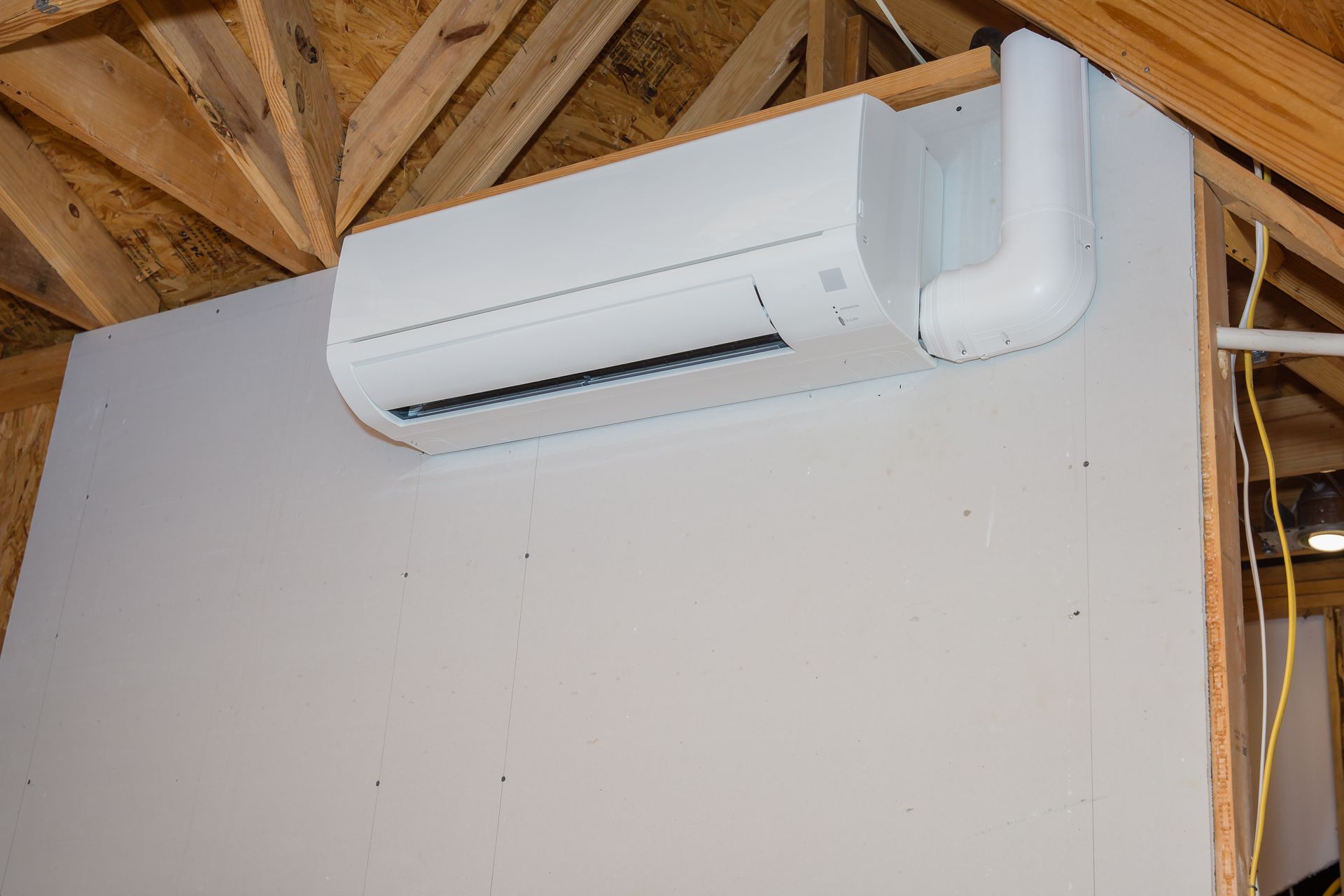
Integrating backup heating strips into your ductwork or air handler provides a smooth transition when the primary system cannot keep up with the heat loss of your house. These electric strips activate automatically when the indoor temperature drops a few degrees below your set thermostat target. While electric resistance heat uses more power than the heat pump itself, it only runs for short bursts to supplement the main system. Keeping your air filter clean and ensuring good airflow across the indoor coils helps minimize how often these expensive backup strips need to turn on. If you want to bypass ductwork entirely, a ductless mini-splits installation often features specialized cold-climate compressors to reduce the need for heavy backup power.
→ From a professional standpoint: Leaving your thermostat at a consistent temperature prevents the backup heat from triggering unnecessarily during normal operation.
Frequently Asked Questions
Do I need backup heat with a heat pump?
Yes, backup heat is a necessary mechanical component for almost all air-source setups installed in our climate region. While modern cold-climate models are incredibly efficient, they still have a physical limit when temperatures plummet toward zero. The backup element acts as a critical safety net to ensure your pipes do not freeze and your family stays safe during a severe freeze. Local building codes often require a secondary heat source to guarantee the home remains habitable during extreme conditions.
What temperature do heat pump backup strips turn on?
The activation point depends entirely on how your specific thermostat and internal control board are configured by the installation technician. Typically, the backup strips engage when the outdoor temperature hits the thermal balance point of your home, which is often around thirty degrees Fahrenheit. They will also kick on if the indoor temperature drops more than two degrees below your set point, regardless of what the outside conditions look like. This dual trigger system ensures maximum comfort without relying on guesswork from the homeowner.
Is electric backup heat expensive to run?
Electric resistance heat is less efficient than the compressor-driven heating process, meaning it costs more per minute of runtime. However, because it only operates as a supplemental boost during the coldest fractions of the winter, the overall impact on your seasonal utility bill is highly manageable. The key to keeping running costs low is ensuring your primary unit is sized correctly so the backup strips are rarely needed. Poor attic insulation and leaky windows will force the expensive backup heat to run far more often than intended by the manufacturer.
Set Your Heating Expectations Right
Understanding the mechanical realities of your equipment takes the stress out of opening your winter utility bills. Knowing that those electric strips are a normal, protective feature of your system lets you enjoy the comfort they provide without worry. Give us a call to evaluate your current setup and ensure your backup heating controls are calibrated for maximum efficiency and savings.
Share This Blog