Top 5 Ways to Fix Sunroom Temperature Issues with Mini-Splits
Adding a sunroom to your home brings in beautiful natural light but often creates massive temperature regulation headaches. At All Seasons Heat Pumps, we frequently see these spaces become too hot in the summer and freezing cold during the winter. Traditional central air struggles to balance these highly glazed rooms without freezing the rest of the house. A targeted ductless air conditioning installation is the best way to reclaim your space.
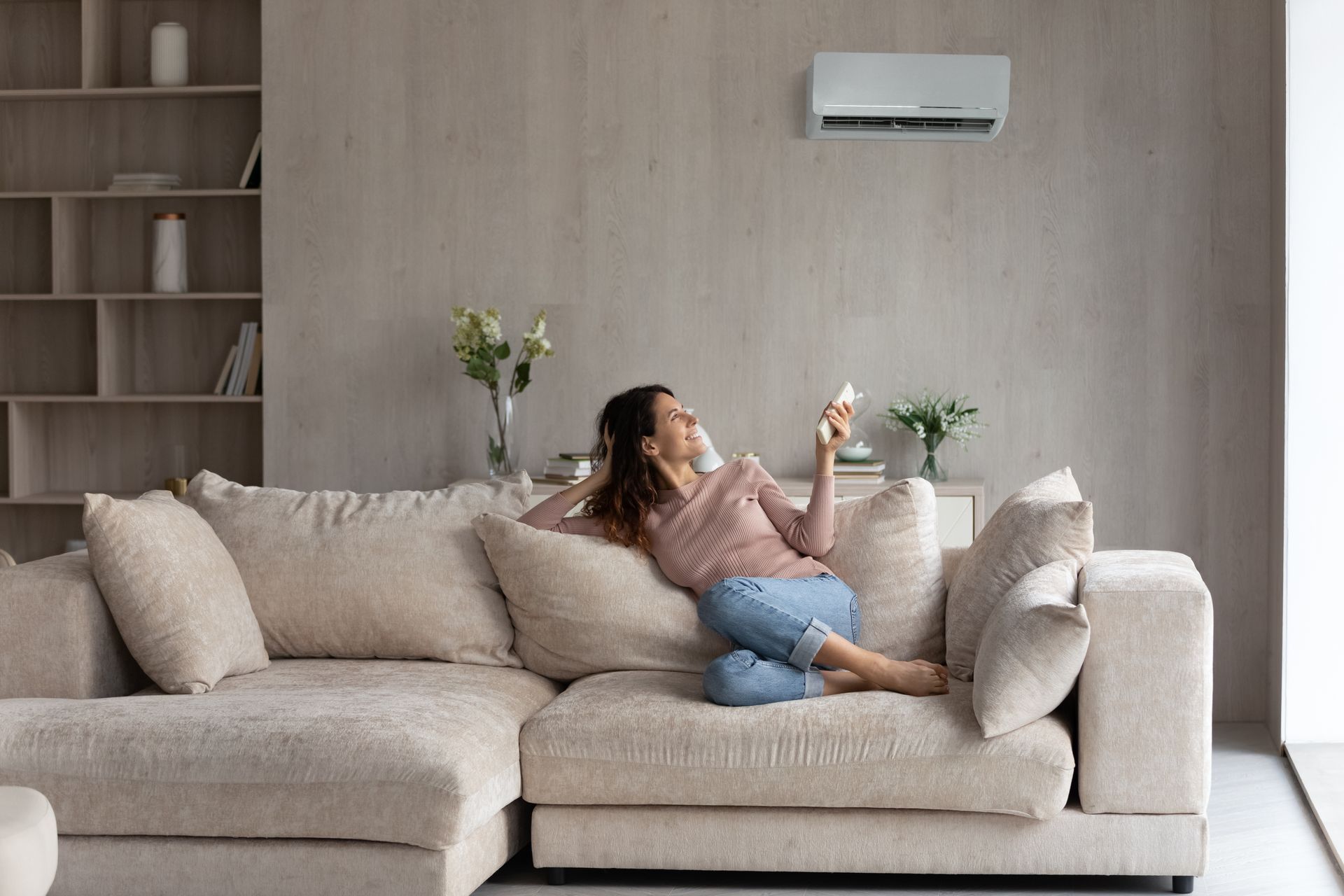
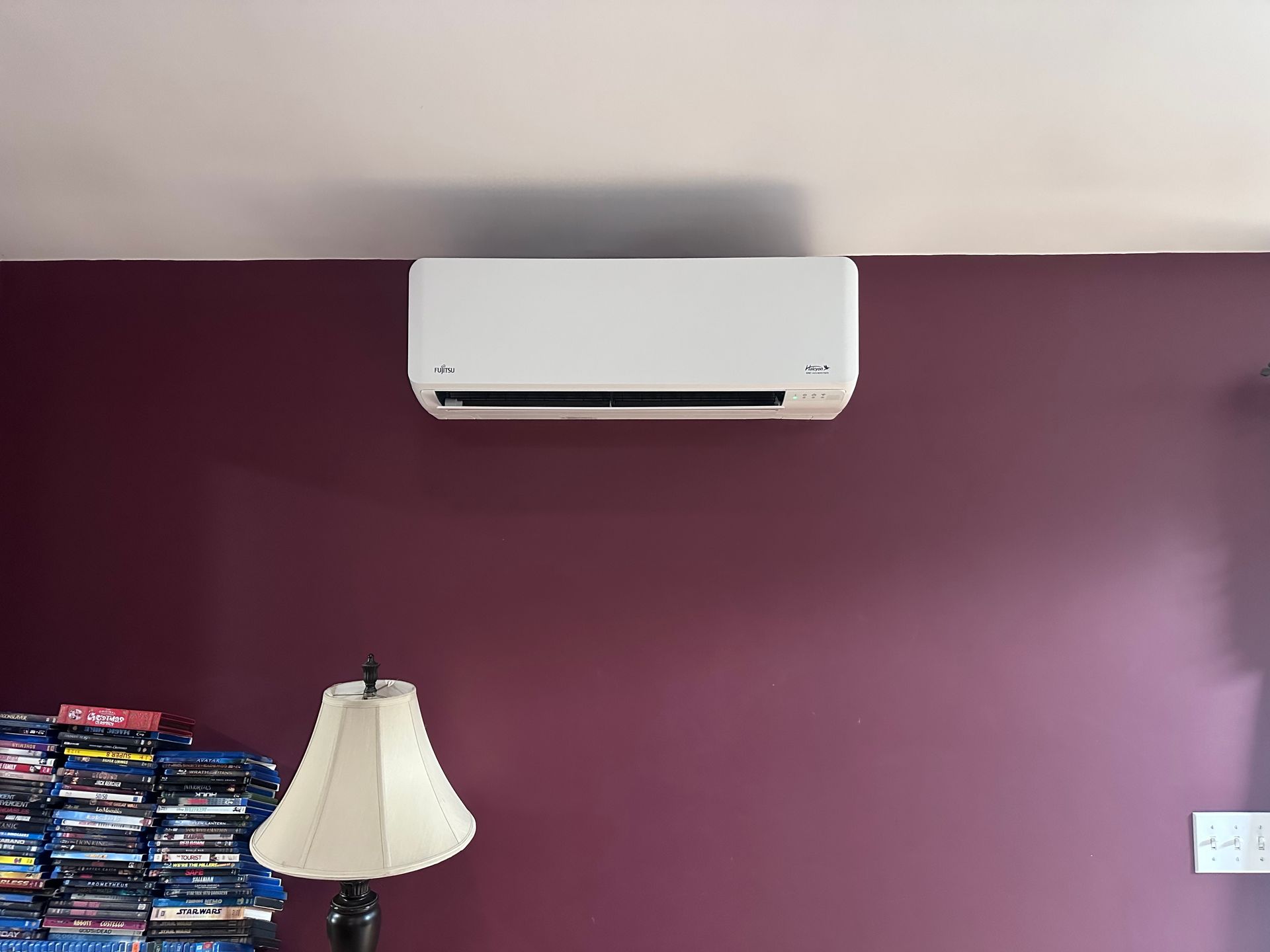
A ductless mini-splits installation targets the exact thermal load of the room without tying into your main ductwork. This targeted approach stops your primary thermostat from running constantly and driving up your utility bills. Many homes in Bourne MA rely on this exact setup to keep glass additions comfortable year round. Reviewing a few key installation factors will help you get the most out of your new cooling system and avoid common efficiency mistakes.
In This Article:
- Tip 1: Match Capacity to Solar Gain
- Tip 2: Position the Indoor Air Handler Correctly
- Tip 3: Choose Low-Ambient Heating Models
- Tip 4: Insulate the Refrigerant Lines Properly
- Tip 5: Utilize Dedicated Dehumidification Modes
- Frequently Asked Questions
Tip 1: Match Capacity to Solar Gain
Sizing a unit for a glass addition requires a completely different calculation than a standard bedroom. Basic square footage measurements ignore the massive heat load generated by direct sunlight.
• Trade Insight: Sunrooms demand more cooling power per square foot due to the greenhouse effect.
• Load Calculation: Technicians must account for specific glass types and directional facing.
• Short Cycling: Oversizing the unit to compensate for afternoon heat causes rapid run cycles that wear out the compressor.
Tip 2: Position the Indoor Air Handler Correctly
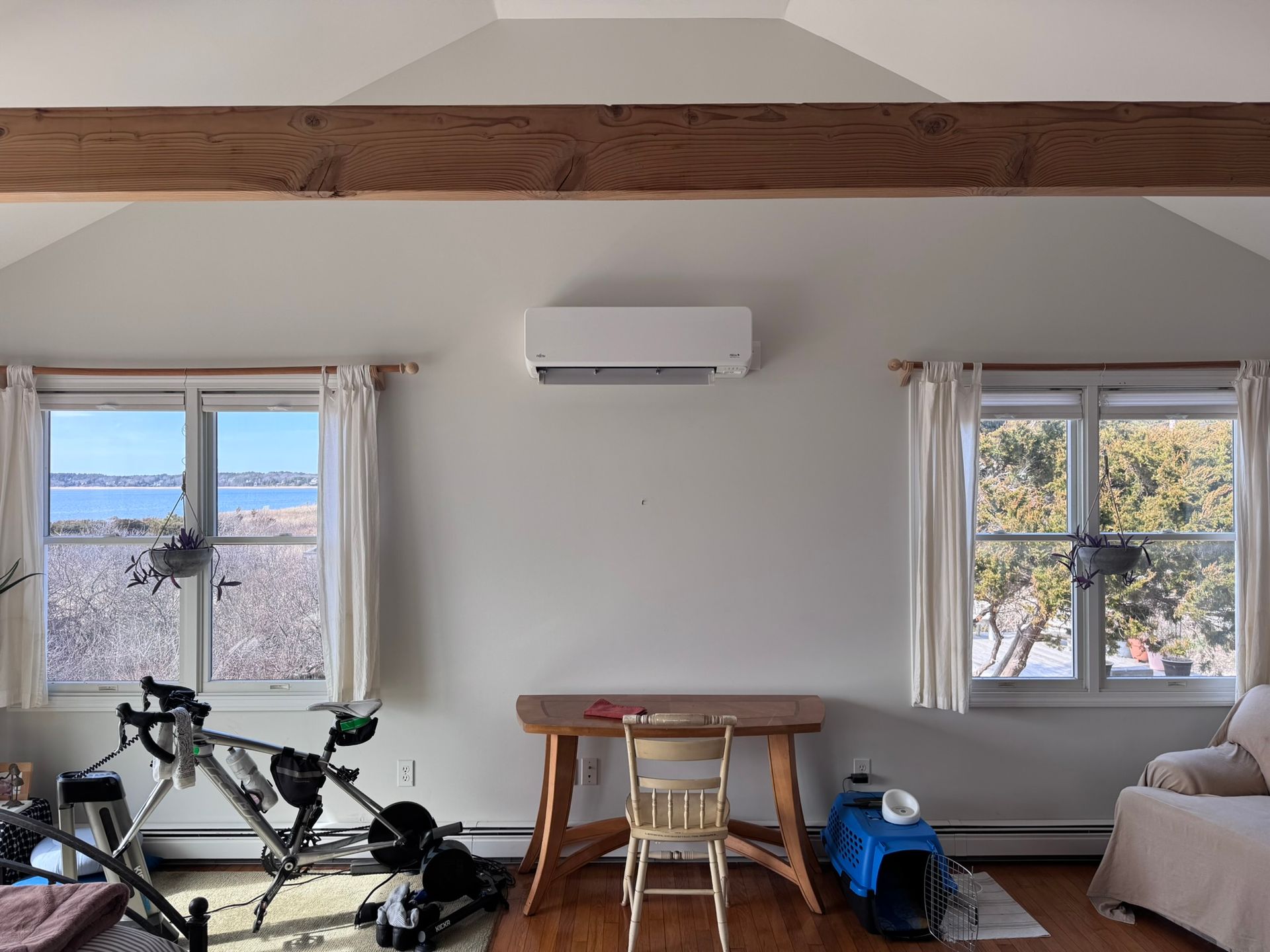
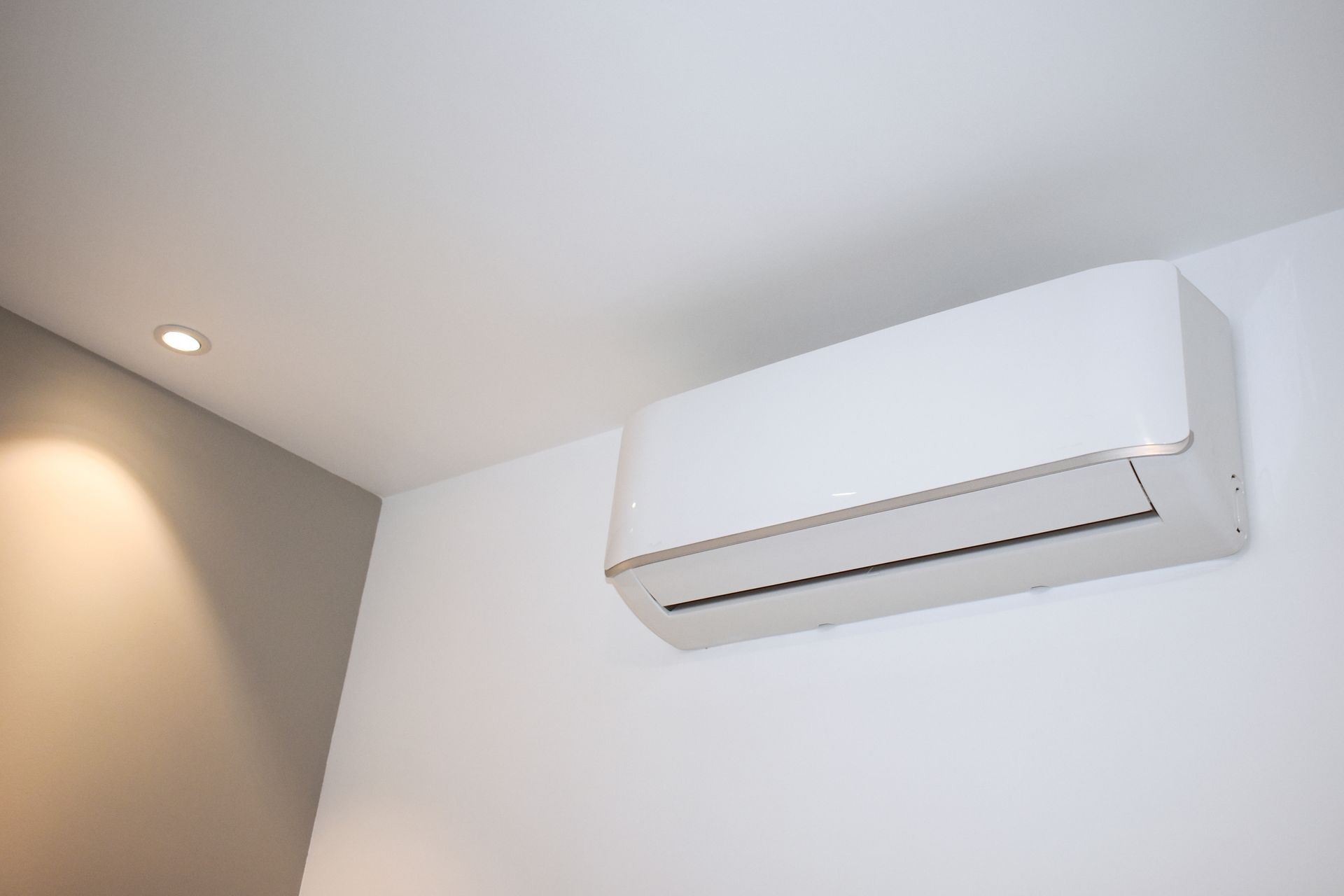
Where you mount the indoor unit dictates how evenly conditioned air reaches the far corners of the sunroom. Placing it too close to the ceiling can cause inaccurate temperature readings.
• Airflow Path: The indoor unit must blow air across the longest dimension of the room to prevent hot spots.
• Thermostat Confusion: Mounting directly above a large pane of glass tricks the internal sensor using radiant heat.
• Wall Strength: Ensure the mounting surface has structural backing to hold the air handler weight.
Tip 3: Choose Low-Ambient Heating Models
Using your sunroom during winter requires a heat pump installation designed for severe cold. Standard units lose heating capacity rapidly as outdoor temperatures drop near freezing.
• Cold Climate Technology: Heavy duty inverters maintain total heating capacity even when temperatures fall into the negatives.
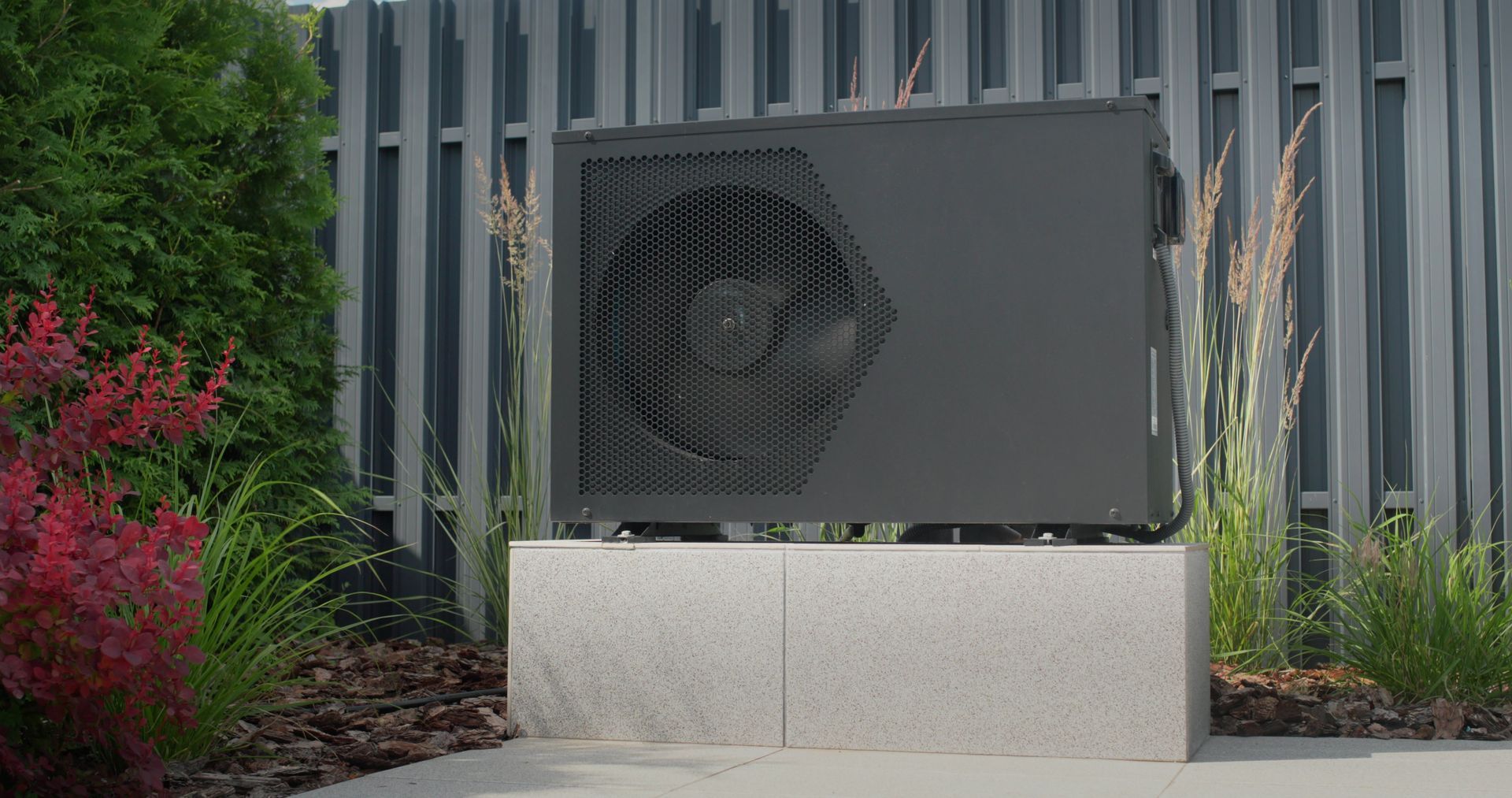
• Defrost Cycles: Advanced units feature smart defrost cycles that keep ice off the outdoor condenser.
• Basepan Heaters: Factory installed heaters prevent frozen condensation from locking up the fan motor.
Tip 4: Insulate the Refrigerant Lines Properly
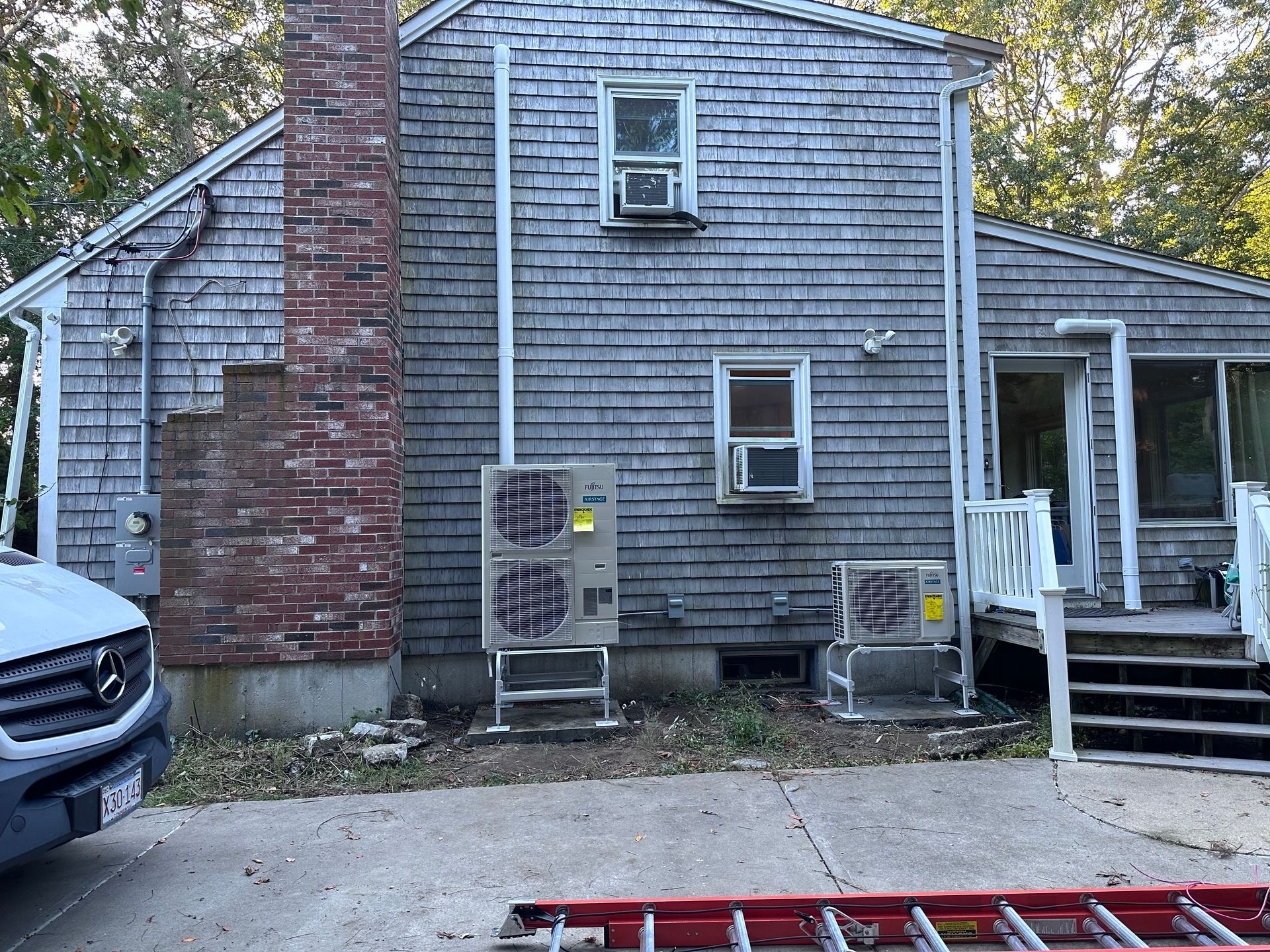
The copper lines connecting your units need heavy insulation to prevent efficiency loss. Exposed lines absorb ambient heat and force the compressor to work harder.
• UV Protection: Line set insulation must have a sun resistant jacket to prevent foam degradation.
• Condensation Prevention: Proper wrapping prevents cold gas lines from sweating and dripping water down your house.
• Energy Waste: Missing insulation drops refrigerant temperature before it reaches the indoor coil.
Tip 5: Utilize Dedicated Dehumidification Modes
Glass rooms trap moisture easily, making the space feel muggy even when the temperature drops. A high-efficiency ductless system extracts humidity without overcooling the room.
• Dry Mode Operation: Prioritizes moisture removal over aggressive cooling for comfort without the chill.
• Mold Prevention: Keeping humidity under control prevents condensation from pooling on window frames.
• Comfort Increase: Lowering humidity allows you to set the thermostat slightly higher while maintaining comfort.
Frequently Asked Questions
Can a mini-split cool an uninsulated room?
Yes, but the equipment must be sized to handle the rapid heat transfer happening through the walls and glass. An uninsulated room loses conditioned air quickly, meaning the system will run longer and pull more electricity to maintain the set temperature. We often recommend adding thermal window treatments to help the system manage the aggressive thermal load. Operating in a raw space requires a unit built for continuous duty rather than short, intermittent cycles.
What is the best AC for a sunroom addition?
A ductless mini-split is widely considered the superior choice because it operates independently from the main house ductwork. Tying into your existing central system often ruins the static pressure of the entire house and leaves the far bedrooms starving for air. Ductless systems give you localized control so you only pay to cool the sunroom when you are actively using it. The variable speed compressor adjusts continuously to match the exact heat load shifting across the glass.
How much electricity does a mini-split use per day?
Daily electricity usage depends entirely on the outdoor temperature and how heavily the room is insulated. Modern inverter driven systems draw very little power once the room reaches the target temperature because they maintain it rather than stopping and starting. During peak summer heat, you might see a small bump in your daily usage, but it remains a fraction of what a standard window unit consumes. Proper sizing and regular filter cleanings keep the electrical draw at the absolute minimum.
Make Your Sunroom Usable Again
Keeping the electrical draw low ensures your addition remains a cost effective part of your home. You do not have to abandon your sunroom just because the afternoon sun makes it unbearable. Contact our team to evaluate your space and discuss which localized cooling options will work best for your layout.
Share This Blog