Fixing Heat Pump Saltwater Corrosion in Cape Cod Homes
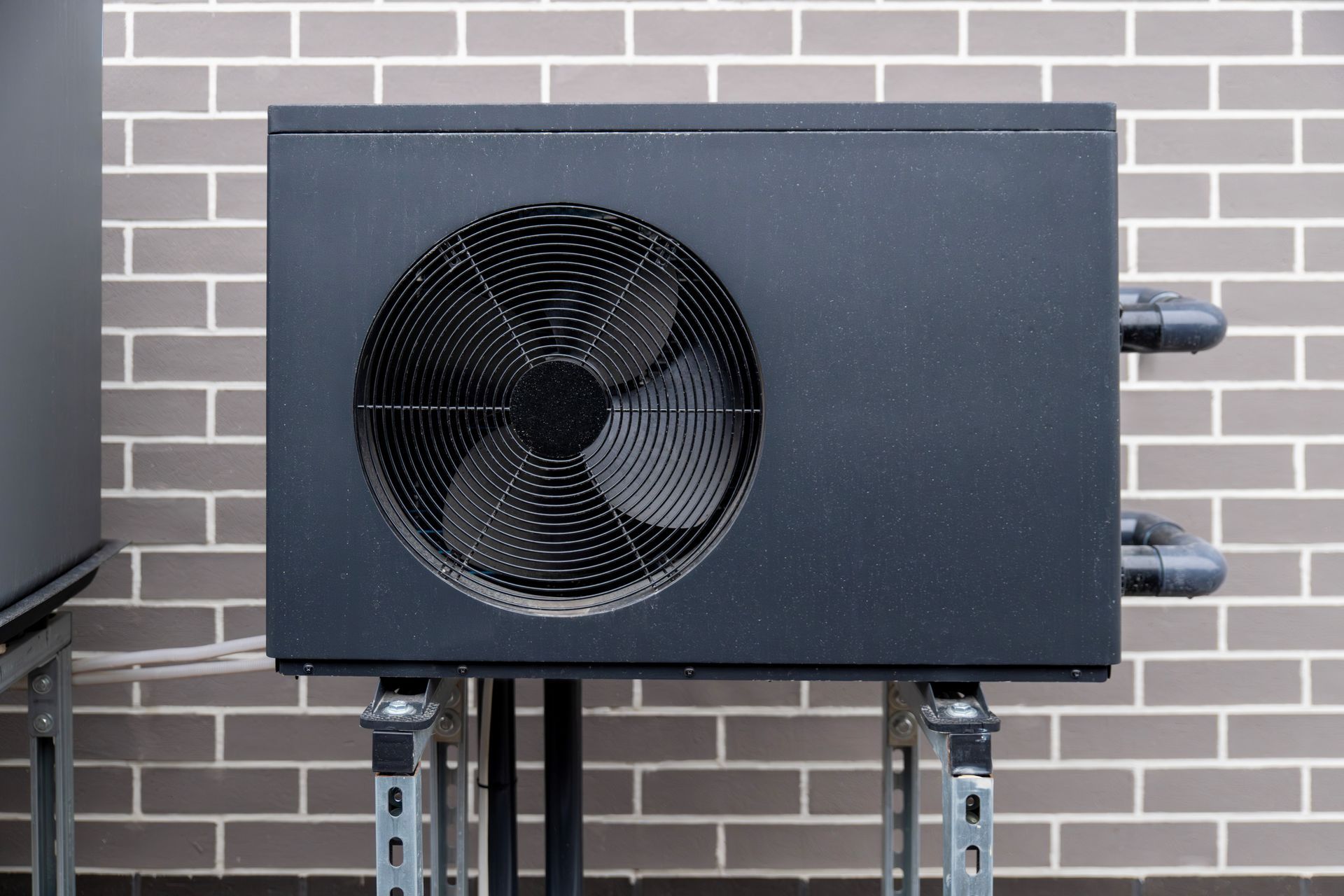
Living on the coast means dealing with unique challenges for your home exterior. The team at All Seasons Heat Pumps sees the exact same issues impacting outdoor units every season. Saltwater air accelerates metal breakdown on heating equipment much faster than inland environments. Unchecked corrosion eats through condenser coils and leads to refrigerant leaks that kill the system.
Finding a fix for heat pump saltwater corrosion in Cape Cod MA homes requires understanding how salt bonds to aluminum and copper. A standard garden hose spray is not enough to stop the chemical reaction taking place on your unit. You need a targeted strategy to prevent coil decay and avoid early system failure. Fixing this problem early saves thousands in premature replacement costs.
In This Article:
- The Hidden Damage of Coastal Salt Air
- Why Hose Washing Can Accelerate Coil Failure
- Proven Defenses Against Metal Breakdown
- How do you protect a heat pump from coastal salt air?
The Hidden Damage of Coastal Salt Air
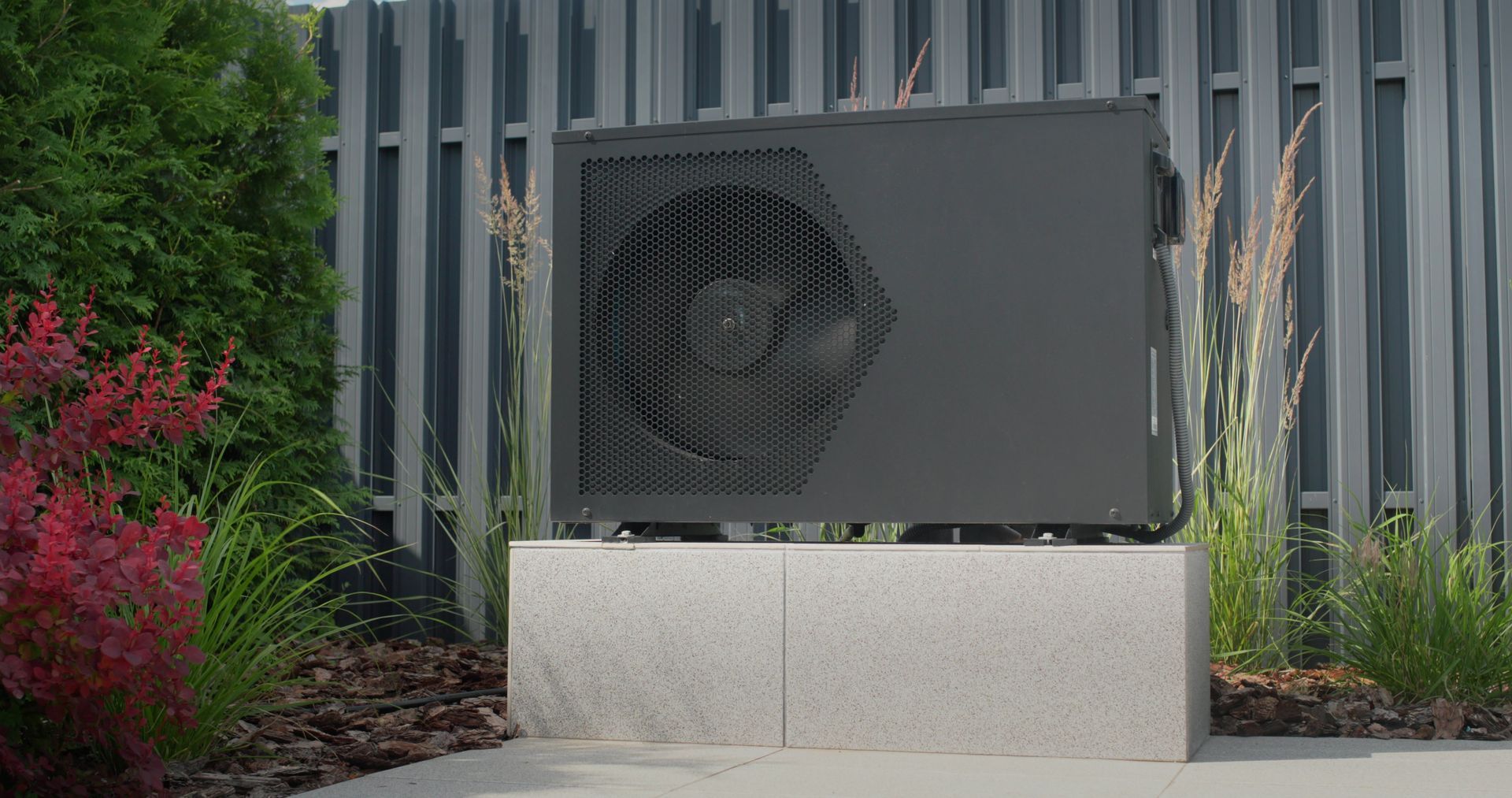
Coastal breezes carry microscopic salt particles that settle deep inside the aluminum fins of your outdoor condenser. Once moisture hits that salt layer, a galvanic reaction begins to pit the metal. Over time, these tiny pits expand until the copper tubing holding the refrigerant cracks open. The resulting leak forces the compressor to work overtime until it burns out entirely. When your compressor works past its intended capacity, your energy bills spike dramatically even as your indoor comfort plummets. This is a common property failure mode we see across coastal neighborhoods.
→ From a professional standpoint: By the time you notice white powder on your condenser fins, the metal has already begun to weaken and requires immediate attention.
Why Hose Washing Can Accelerate Coil Failure
Many homeowners attempt a DIY cleaning to wash away salt buildup using a standard garden hose and high water pressure. Spraying directly into the delicate aluminum fins often bends them flat and restricts vital airflow to the system. Even worse, plain water simply pushes the salt deeper into the coil block where it stays damp. Trapped moisture combined with deep salt deposits creates the perfect environment for rapid metal decay. Trusting DIY chemical sprays from hardware stores can strip the factory protective layer right off the coil, voiding warranties and accelerating the damage. This is exactly why DIY attempts commonly make the situation worse and lead to total system failure.
→ A quick tip to remember: Never use a pressure washer on an outdoor air conditioning unit because the force will permanently damage the heat transfer fins.
People often worry that robust, coastal rated equipment will be loud or bulky when replacing a failed unit. It is a pattern the team at All Seasons Heat Pumps hears regularly when discussing new units.
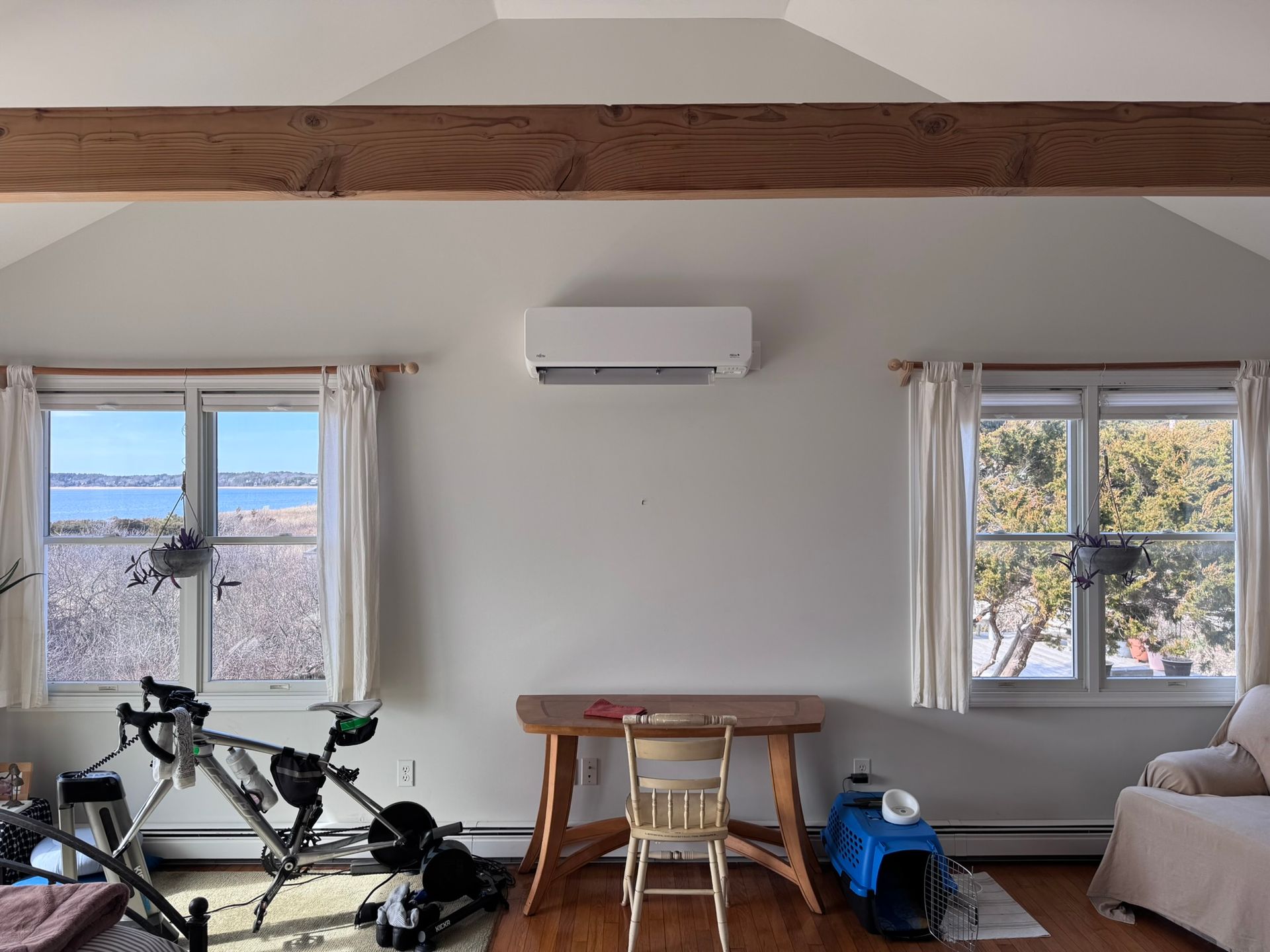
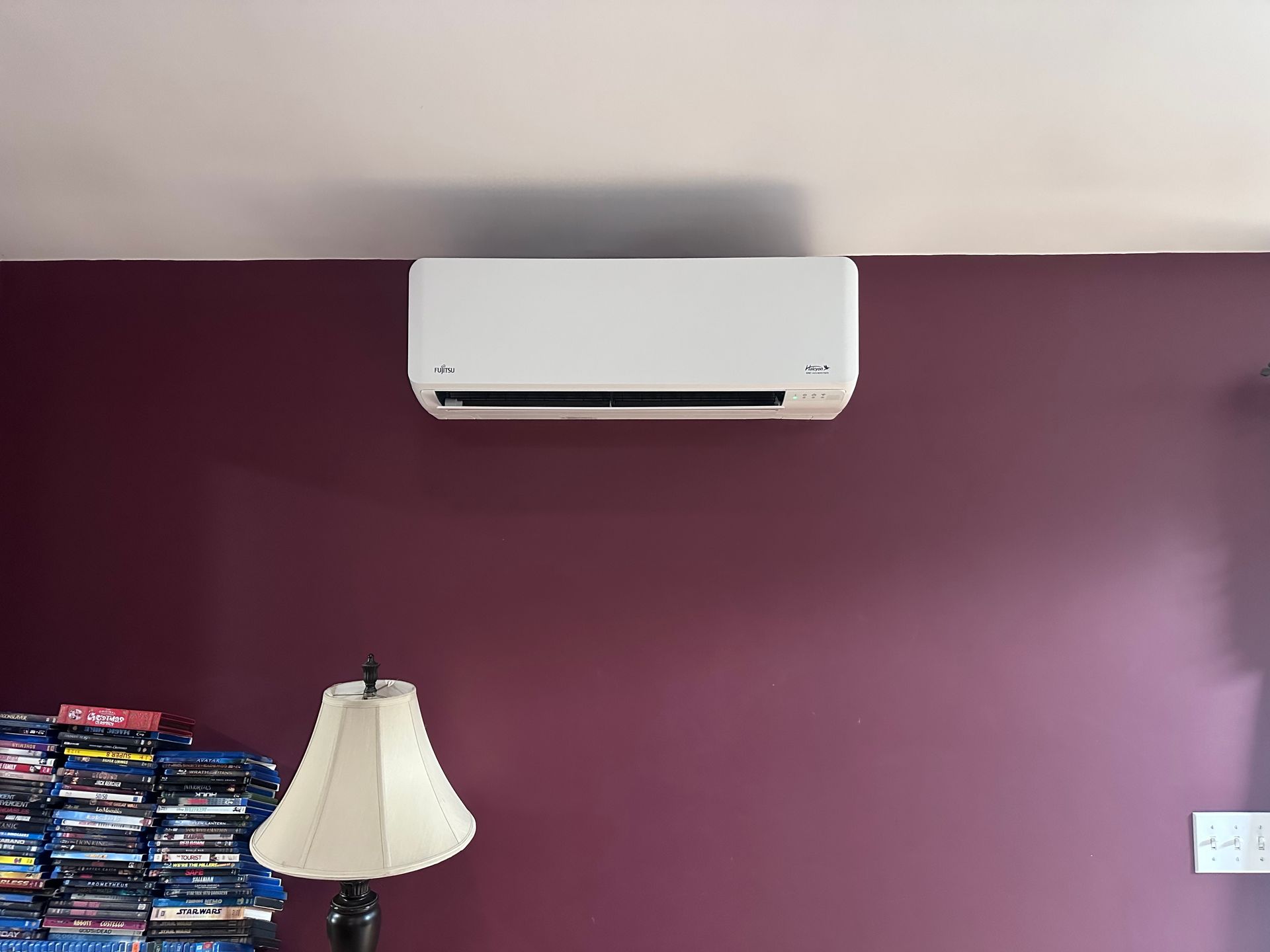
► Client Experience: I recently had a floor-mounted mini split installed, and I could not be happier with the experience. The entire process was quick, efficient, and handled with true professionalism from start to finish. The installation team arrived on time, worked smoothly together, and clearly knew exactly what they were doing. They took the time to explain the setup, made sure everything was placed perfectly, and left the area spotless when they were done. The system itself works beautifully quiet, efficient, and already making a noticeable difference in comfort. It is clear that quality workmanship and attention to detail were top priorities. I highly recommend this team to anyone looking for a smooth, hassle-free installation. Five stars all the way! Cindy Bartlett
Quality workmanship ensures that your coastal air conditioning installation is set up to resist the harsh environment from day one without sacrificing indoor tranquility.
Proven Defenses Against Metal Breakdown
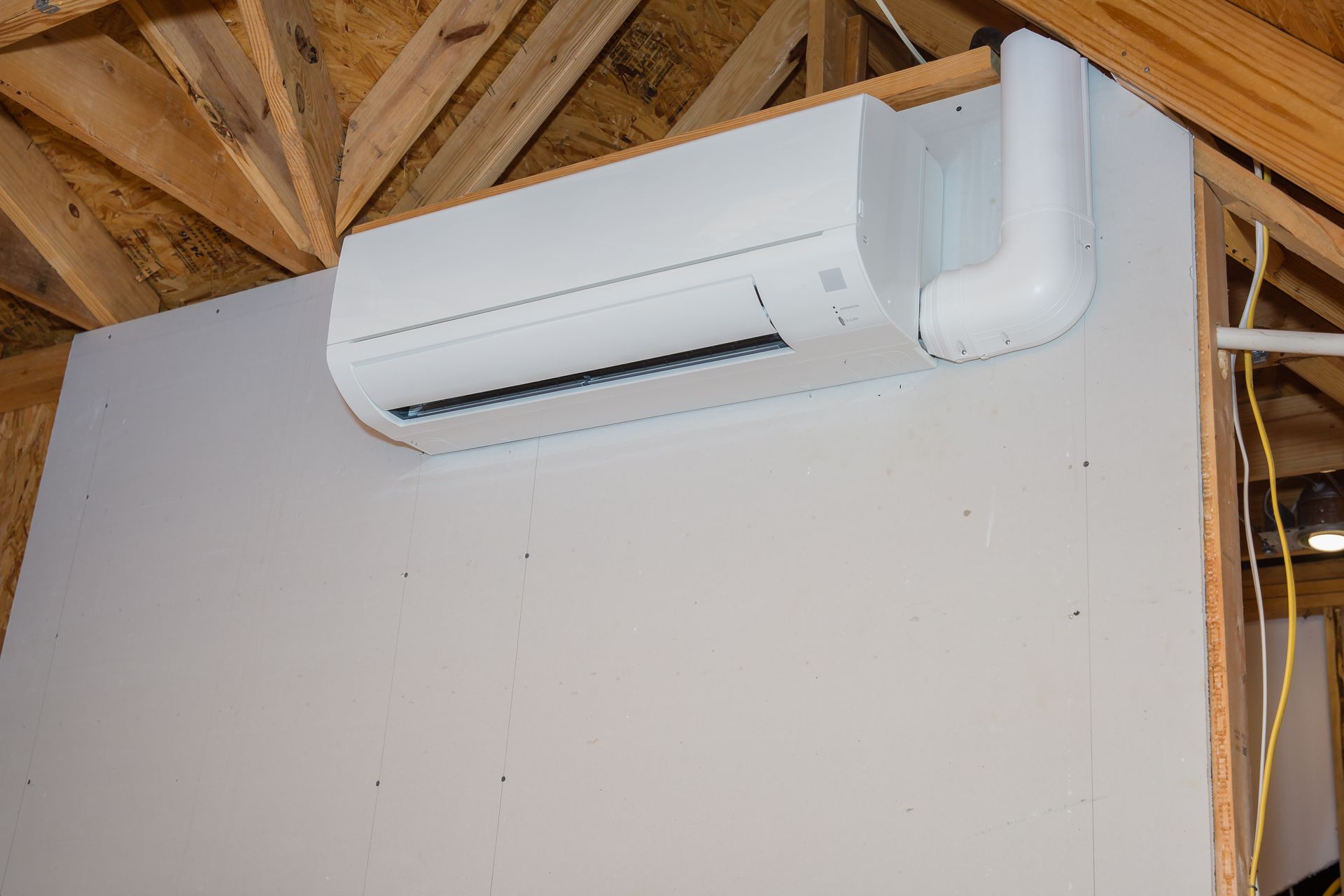
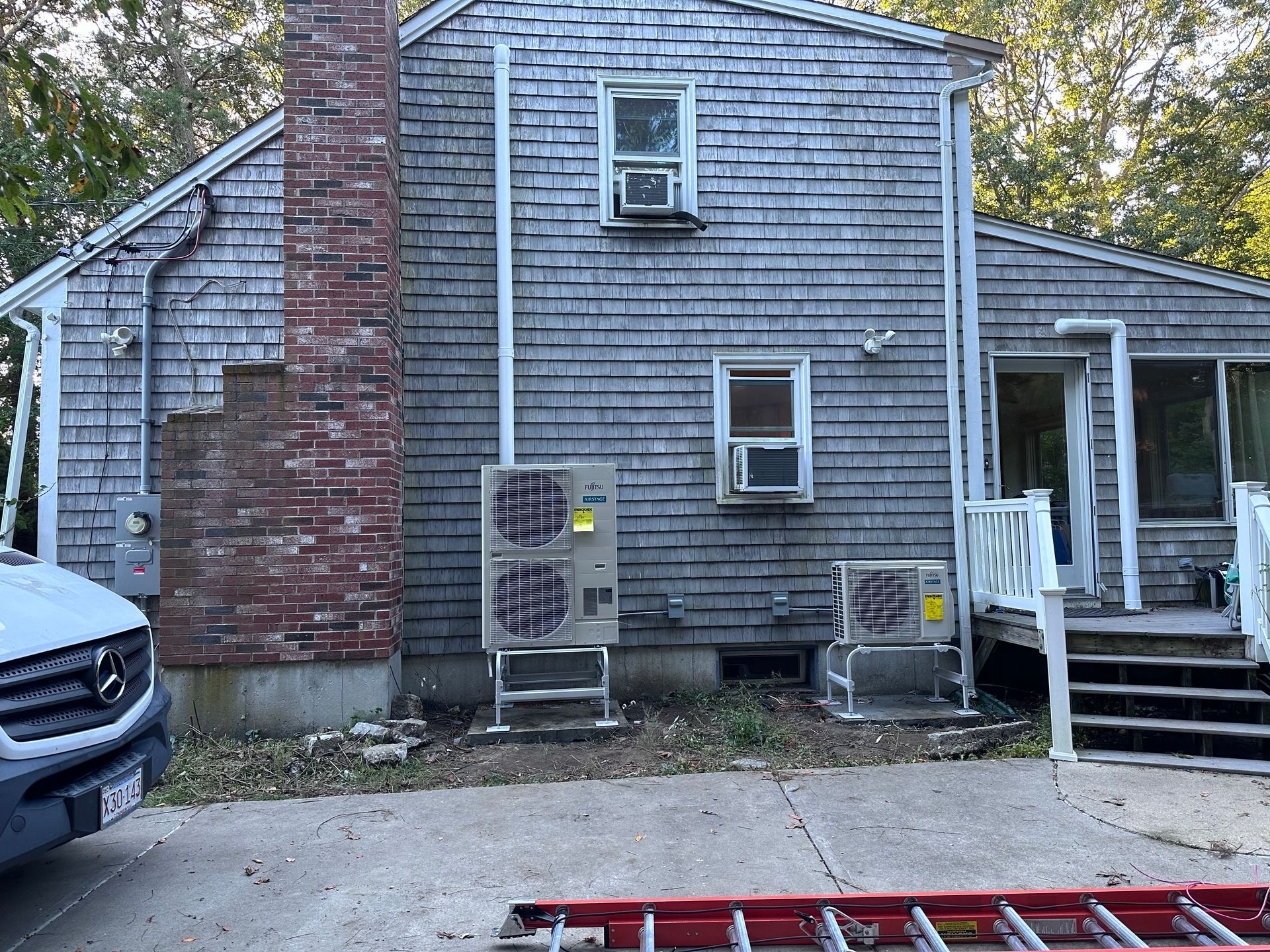
The most reliable way to extend the lifespan of your unit is to apply a specialized coil coating designed for marine environments. These industrial coatings form a barrier that blocks salt and moisture from ever touching the raw metal. Replacing a heavily corroded system often leads homeowners to consider a new ductless mini-splits installation for better placement away from the ocean wind. Relocating the condenser to a more protected side of the property drastically reduces its exposure to the harshest coastal gales.
→ From a professional standpoint: Applying a marine grade coating when the unit is brand new is far more effective than trying to treat an already rusting coil.
How do you protect a heat pump from coastal salt air?
You protect a heat pump from coastal salt air by scheduling professional cleanings with salt neutralizing agents and ensuring the unit has adequate physical clearance. Blocking direct ocean wind with a strategically placed structure can reduce the volume of salt spray hitting the fan. Just be sure any windbreak is positioned far enough away that it does not restrict the air the condenser needs to breathe. We also recommend having a technician apply an anti-corrosion spray during your annual maintenance visit to keep the aluminum shielding intact.
Shield Your Equipment from Salt Damage
Routine visual checks are your best defense against early metal fatigue and unexpected system downtime. Taking steps to wash and coat your condenser now will keep your heating and cooling running strong despite the coastal conditions.
Call our office today to schedule a protective coil treatment for your outdoor unit.
Share This Blog