Holiday Energy Savings: Best Thermostat Settings and HVAC Tips for Winter
Between holiday baking, houseguests, and coastal winds, December energy use can spike fast. The right thermostat strategy can keep your Cape Cod home cozy while trimming costs—whether you’re in Bourne, Sandwich, Barnstable, Yarmouth Port, Falmouth, or Plymouth. Use these evidence-based settings and HVAC tips from All Seasons Heat Pumps to enjoy comfort, efficiency, and a quieter home through every gathering.
What should I set my thermostat to in winter?
The Department of Energy recommends around 68°F during waking hours when you’re home. At night, most households are comfortable at 62–66°F. For heat pumps, avoid big setbacks; use smaller changes to prevent auxiliary heat from kicking in. For gas, oil, or electric furnaces and boilers, a larger overnight or away setback can save more without comfort penalties when properly scheduled.
Heat pump vs. furnace: Different settings, better savings
- Heat pumps (ducted or ductless): Keep a steady setpoint, typically 67–70°F when home. If you prefer setbacks, limit to 1–3°F. This lets the inverter compressor modulate efficiently and reduces expensive auxiliary resistance heat.
- Furnaces/boilers: Program 7–10°F setbacks for 8 hours (overnight or while away). Many homes in Barnstable and Mashpee see up to 10% savings with consistent schedules.
- Guest-ready tip: With a full house and a warm oven, internal heat gains rise. Try lowering the setpoint 1–2°F during gatherings; your home will still feel comfortable while using less energy.
Fan setting: Auto, On, or Circulate?
- Auto is best for efficiency and comfort in winter.
- On can even out temperatures in multi-story homes but may feel drafty and raise energy use; use it selectively, especially if you have a variable-speed ECM blower.
- Circulate (periodic fan runs) can improve mixing without the energy penalty of constant On. Ask us to balance ducts or add returns if you notice persistent hot/cold spots.
Smart thermostat features that actually help on Cape Cod
Choose a model that supports heat pump optimization, auxiliary heat lockout, and outdoor temperature sensors. A professional can set balance points so your system stays on efficient heat pump mode longer. Look for geofencing and adaptive recovery to pre-heat without triggering aux heat. Many Massachusetts residents may qualify for incentives on smart thermostats—ask our team for the latest options.
Holiday-ready thermostat schedules
- Weekdays at home: 68°F from morning through evening; 63–66°F overnight (heat pump: limit to 1–3°F drop).
- Workdays away: Lower to 62–65°F (furnace/boiler); heat pump users should use Eco mode or a modest 2°F setback.
- Travel: Maintain 55–60°F to protect pipes, especially in coastal towns like Orleans, Eastham, and Wellfleet where wind-driven cold can sneak in.
Fast HVAC wins that boost comfort and lower costs
- Replace or clean filters monthly in winter for steady airflow and quieter operation.
- Seal drafts around doors, attic hatches, and rim joists to reduce heat loss and furnace runtime.
- Keep supply and return vents clear of holiday décor and furniture.
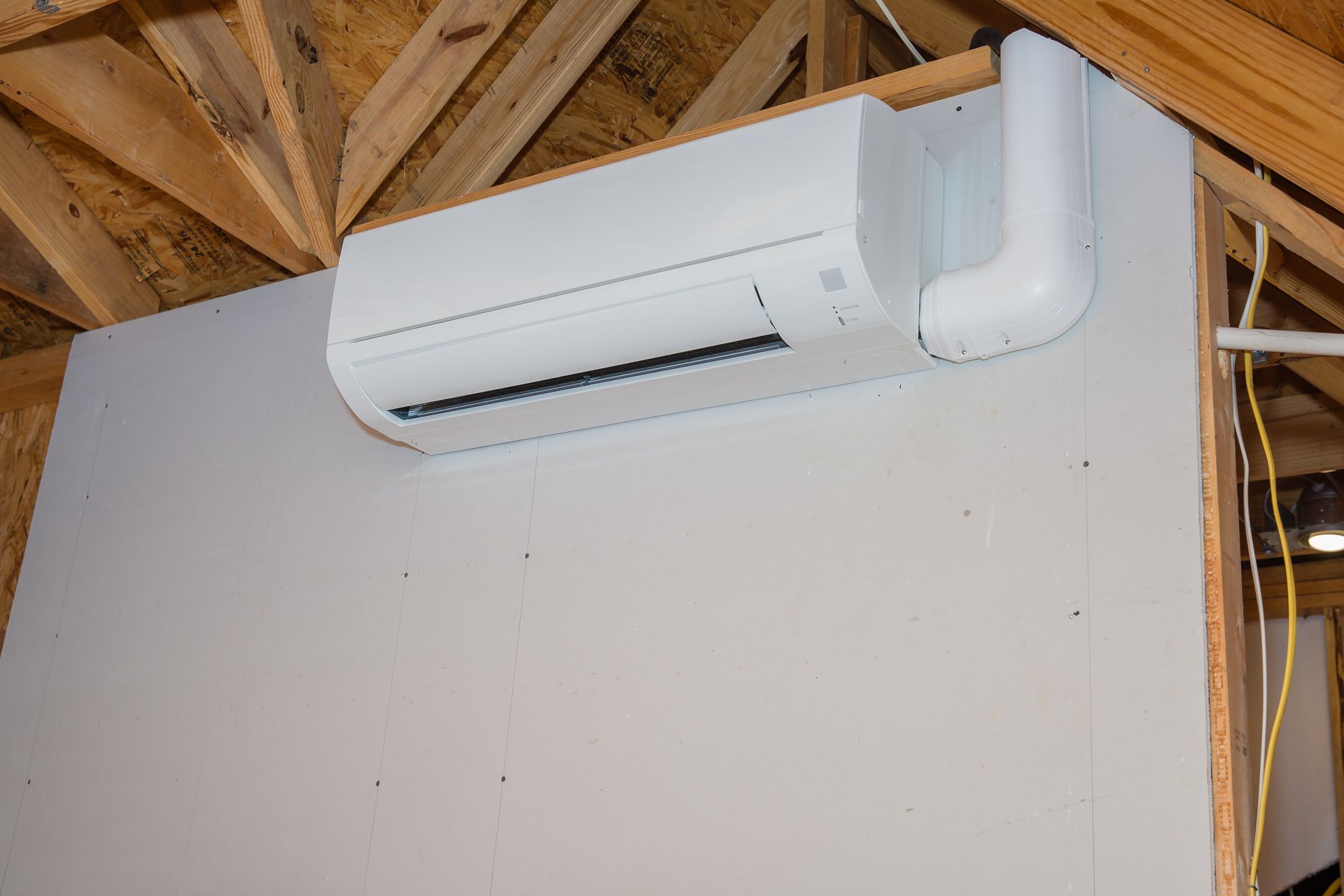
- For ductless systems, set the fan to Auto, use Dry mode sparingly, and keep indoor heads free of garland or coverings.
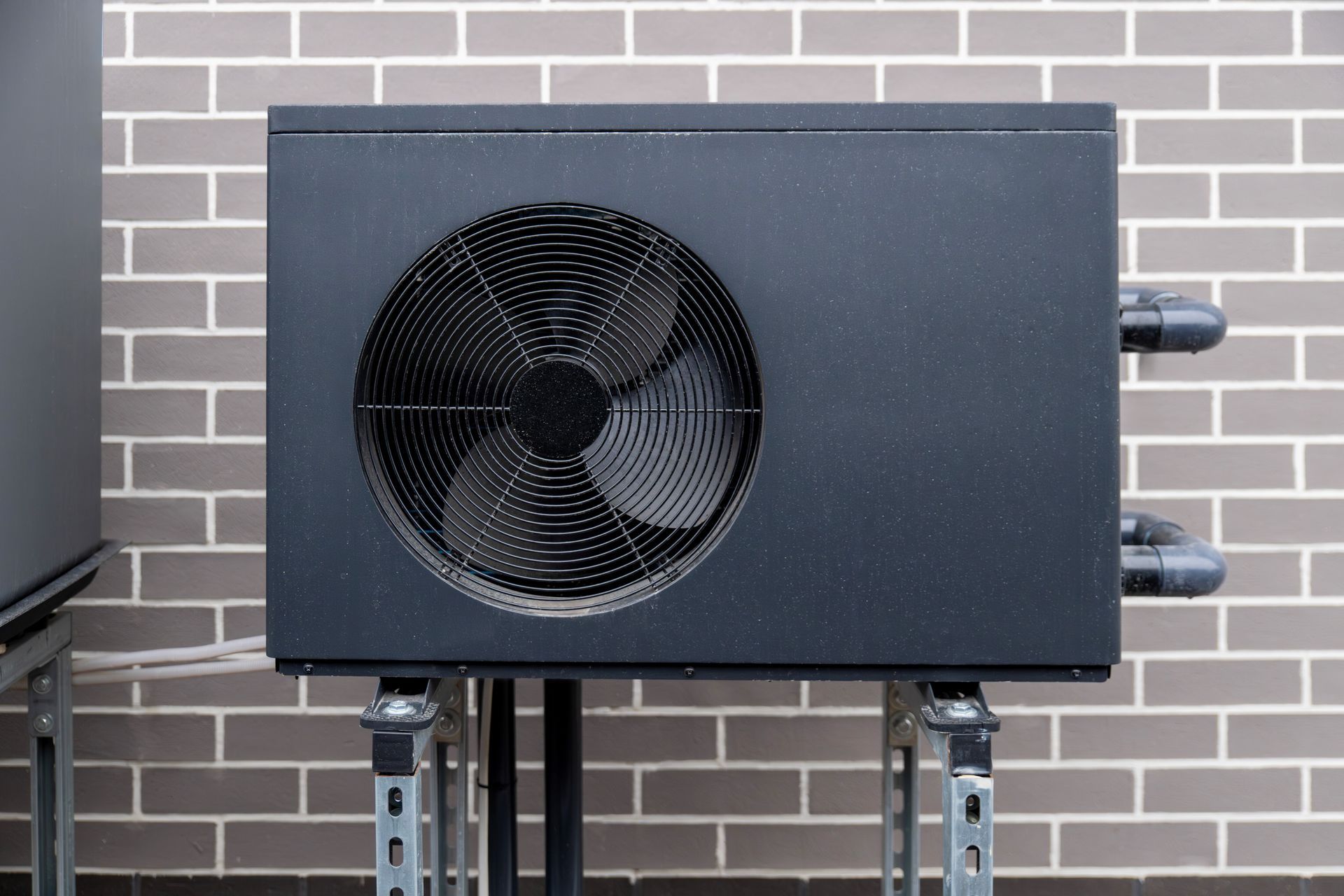
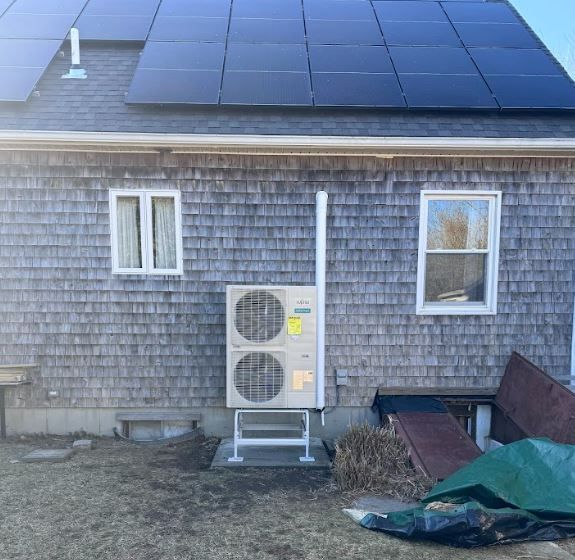
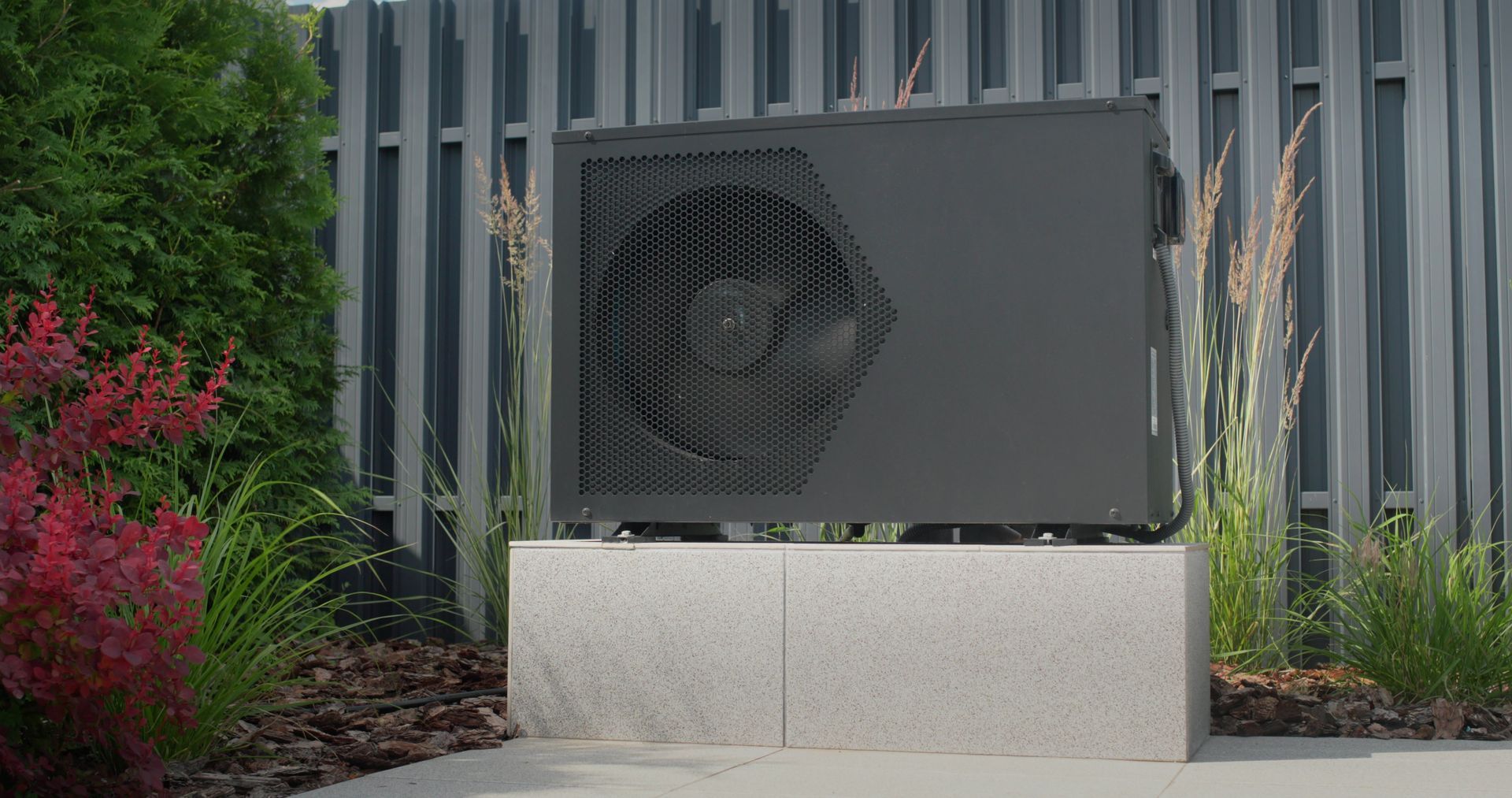
- Clear snow and leaves from outdoor heat pump units; maintain 12–24 inches of clearance for efficient defrost cycles during nor’easters.
Is it better to leave my thermostat at one temperature?
For heat pumps, yes—steady settings or very small adjustments maximize efficiency. For furnaces and boilers, scheduled setbacks typically save energy without sacrificing comfort. The best approach depends on your equipment, insulation, and lifestyle, which is why a quick home and system assessment pays off for many homes in Dennis, Harwich, and Brewster.
When to consider an upgrade
If your furnace is loud, short cycles, or struggles to maintain setpoint, a right-sized, high-AFUE model with a variable-speed blower can improve comfort and reduce bills. If you’re using an older oil system or electric baseboard, a cold-climate heat pump can offer lower operating costs and zoned comfort. All Seasons Heat Pumps designs systems to match Cape Cod’s winter conditions, with professional staging, duct evaluation, and thermostat setup for real-world savings.
Make this winter efficient—and guest friendly
Enjoy warm, even heat and lower bills with a thermostat tune-up and winter HVAC check from All Seasons Heat Pumps. Our licensed, background-checked team will optimize your settings, assess ducts, and recommend upgrades that fit your home and budget. Schedule your Holiday Energy Savings visit today at allseasonsheatpumps.com and welcome every guest to comfortable, efficient winter living.
Share This Blog