Boiler vs Furnace: Pros, Costs, and Efficiency for Winter Comfort
January on Cape Cod brings long nights, icy winds, and families gathering indoors. If your system struggled over the holidays, you may be weighing a boiler versus a furnace for your next upgrade. Understanding how each works—and what fits your home in Bourne, Sandwich, Barnstable, Falmouth, Plymouth, or Mashpee—can save money and deliver better comfort all winter.
What’s the difference? Hydronic heat vs. forced air
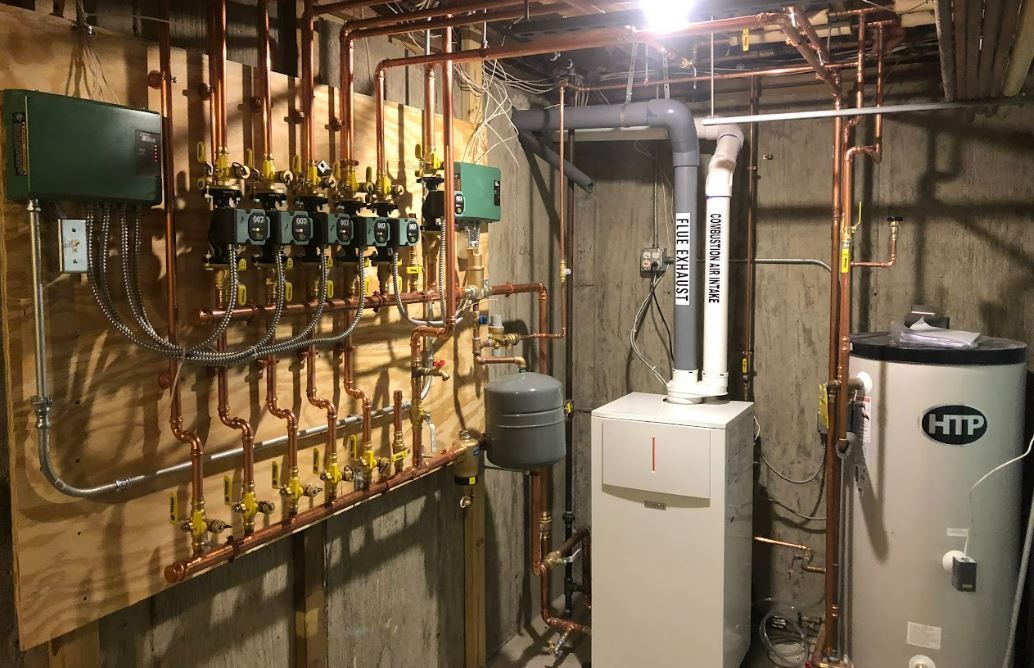
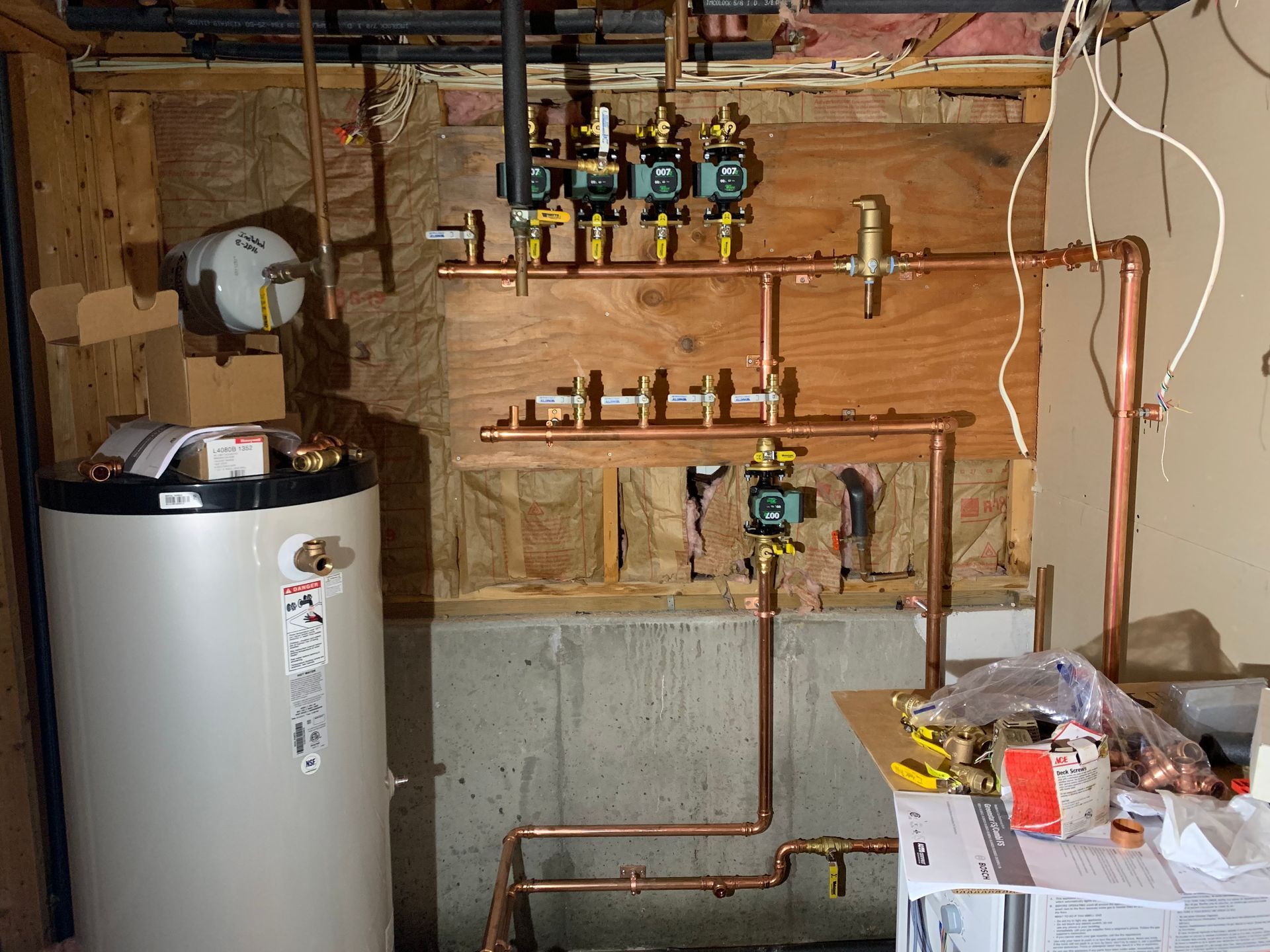
Furnaces heat air and distribute it through ducts to supply registers. Boilers heat water and send it to radiators, baseboards, or in-floor tubing. Both can be powered by gas, oil, or electricity. Furnaces pair easily with central air conditioning, while boilers excel at quiet, even radiant comfort. All Seasons Heat Pumps installs and replaces both systems, tailoring capacity and controls to your home.
Which is more efficient—a boiler or a furnace?
It depends on the model, fuel, and your home. High-efficiency gas furnaces can reach 95–98% AFUE, while condensing gas boilers commonly deliver 90–95% AFUE. Real-world efficiency also reflects distribution losses: leaky or uninsulated ducts can waste heat, especially in attics or crawlspaces, while hydronic piping losses are typically lower when insulated. In drafty coastal homes from Wellfleet to Orleans, a right-sized, sealed-duct furnace or a properly zoned boiler can both perform efficiently when designed with a Manual J load calculation and expert installation.
Boiler advantages and considerations
- Pros: Extremely even heat; quiet operation; ideal for zoning; radiant floors enhance comfort at lower setpoints.
- Cons: Higher upfront cost in many cases; slower temperature changes; requires separate solution for summer cooling (mini-split or central AC coil).
- Furnace advantages and considerations
- Pros: Lower upfront cost in many homes; quick temperature response; easy integration with central AC and advanced filtration.
- Cons: Potential duct leakage and drafts if ducts are undersized or unsealed; can feel drier without humidity control; requires careful sizing to prevent short cycling.
Costs, lifespan, and maintenance on the Cape
Total cost of ownership includes installation, fuel, maintenance, and lifespan. Furnaces commonly last 15–20 years; boilers often 20–25 years with regular service. Fuel availability matters across Cape Cod and South Shore towns like Duxbury, Kingston, and Hingham—natural gas access, oil storage, and electricity rates influence operating costs. Annual maintenance (filter changes for furnaces; venting checks, expansion tank and pressure checks, and periodic flushes for boilers) protects efficiency and reliability during nor’easters.
Comfort, IAQ, and add-ons that make a difference
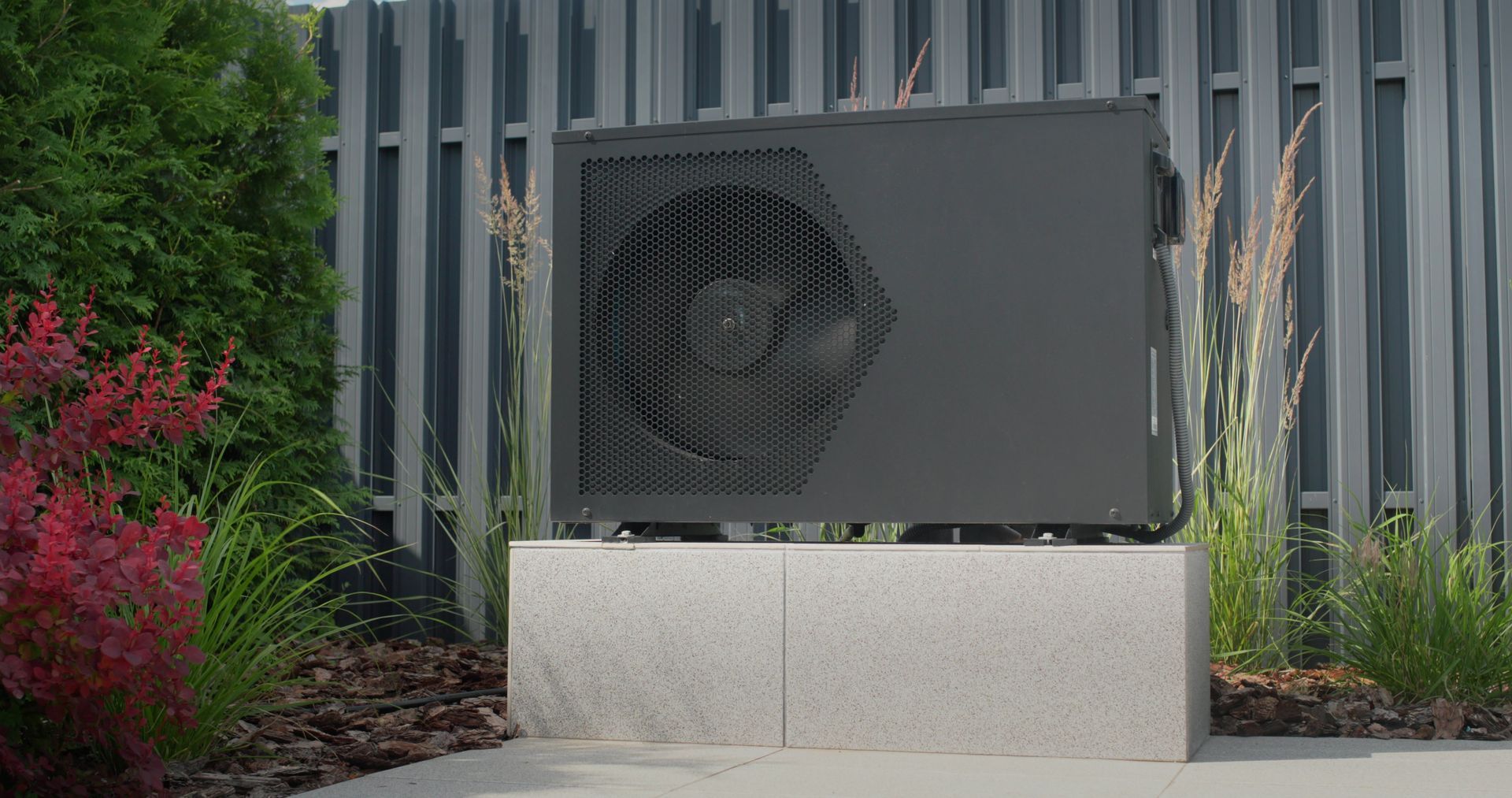
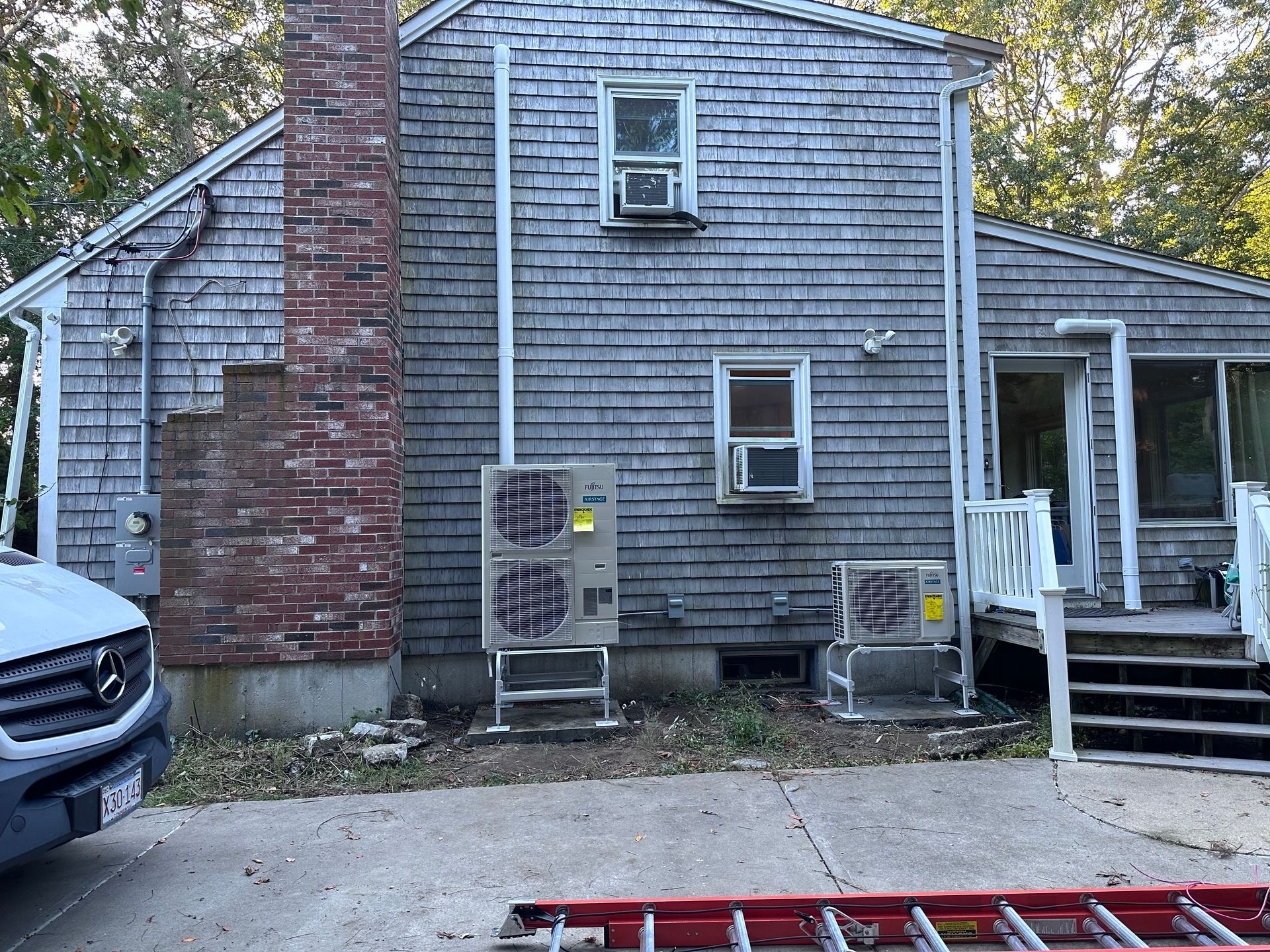
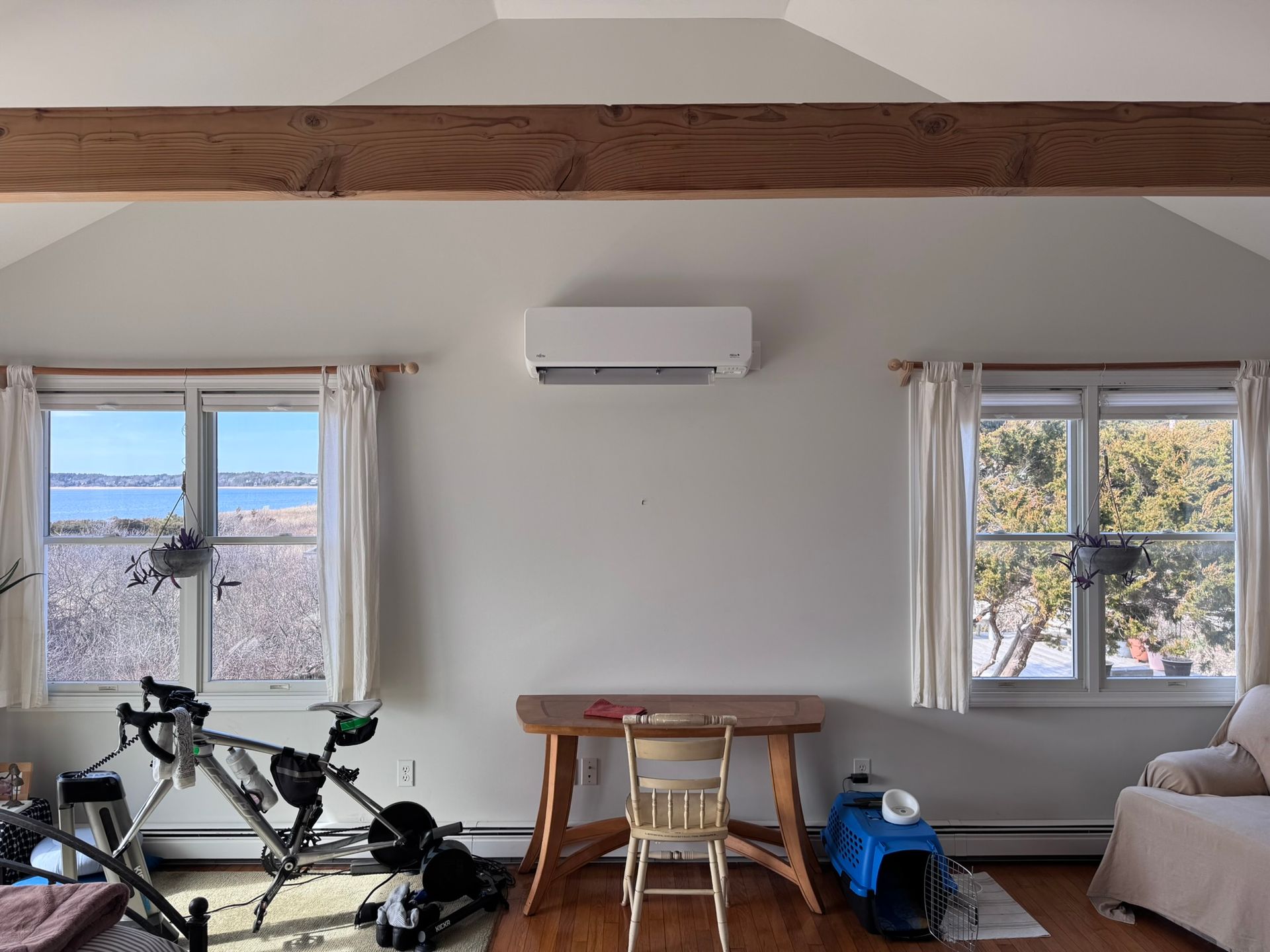
Furnaces shine when paired with high-MERV filtration, whole-home humidifiers, and smart thermostats—great for allergy relief and comfort in Barnstable or Yarmouth Port. Boilers offer top-tier comfort via radiant floors and room-by-room zoning, making them a favorite in older homes in Dennis, Harwich, Brewster, and Eastham. If you want cooling without ducts, a ductless mini-split can complement either system, delivering efficient summer AC and shoulder-season heating.
Local design details for coastal performance
Salt air, wind exposure, and tight lot lines require thoughtful design. We seal and size ducts (Manual D), insulate hydronic piping, and ensure venting and combustion air meet code in basements and utility rooms. Weatherstripping, attic insulation, and air sealing can reduce your heating load—sometimes enough to choose a smaller, quieter unit. Our licensed, background-checked technicians commission systems to manufacturer specs for safe, efficient operation across Cape Cod.
Decision checklist: Which system fits your home?
- Existing distribution: Working ducts? A furnace may be more cost-effective; radiators/baseboards? A boiler fits naturally.
- Cooling plans: Want central AC? Furnaces integrate easily; boilers pair well with ductless AC.
- Comfort priorities: Prefer silent, even radiant heat? Boiler. Want faster temperature changes and better filtration? Furnace.
- Efficiency goals: Consider high-AFUE condensing models, outdoor reset controls (boilers), and variable-speed blowers (furnaces).
- Home upgrades: Insulation and air sealing can reduce required BTUs and improve either system’s performance.
How long does installation take?
Most furnace replacements take about one to two days, including commissioning and thermostat setup. Boiler replacements can take one to three days depending on zoning, piping complexity, and venting updates. All Seasons Heat Pumps provides a clear schedule so you can plan around work and school.
Start the year with reliable, efficient heat
Whether you choose a high-efficiency boiler or a right-sized furnace, expert design and installation matter most. Schedule a Boiler Installation & Replacement or Furnace Installation & Replacement consultation with All Seasons Heat Pumps. We’ll perform a Manual J load calculation, evaluate ducts or hydronic piping, and recommend the best solution for your Cape Cod home.
Call today or request your assessment at
allseasonsheatpumps.com to enjoy quiet, even comfort all winter.
Share This Blog